
PMDD Symptoms, Diagnosis and Natural Relief

PMDD - Premenstrual Dysphoric Disorder - turns the luteal phase into a storm of mood swings and fatigue that no one should face alone. In the UK, up to 8% of women suffer from PMDD, so you are not alone - gentle, natural strategies alongside medical insight can help you reclaim calm.
Symptoms
PMDD symptoms strike in the luteal phase (the 1-2 weeks before your period) and vanish post-bleed. Emotional symptoms include severe irritability, anxiety, depression, or mood swings that disrupt sleep, work, or relationships. Physical signs like bloating, fatigue, breast tenderness, headaches, and food cravings amplify during this time.
These go beyond typical PMS in intensity, often mimicking severe depression. Tracking your cycle and symptoms can reveal patterns for better symptom management. You can also use apps like Clue or Flo to help record physical and emotional symptoms.
How PMDD is Diagnosed
Diagnosis starts with ruling out other conditions - no single test exists, but GPs follow NICE guidelines. Usually this starts with a detailed chat about symptoms, cycle tracking over 2+ months (daily mood/food logs), and possibly blood tests for thyroid or hormone imbalances. A prospective symptom diary, like the DRSP (Daily Record of Severity of Problems), to confirm at least 5 symptoms that worsen pre-period.
Specialists may use DSM-5 criteria, ensuring symptoms aren't better explained by depression or anxiety. Early GP visits via NHS 111 or your healthcare provider can help to speed up diagnosis.
Treatment Options
Conventional paths include SSRIs (Selective Serotonin Reuptake Inhibitors) taken luteal-phase only, or combined hormonal pills to suppress ovulation - are effective for 60-90% of women. CBT or mindfulness, can reduce flare-ups, whilst GnRH agonists (a synthetic hormone medication that initially stimulates, but then suppresses, the pituitary gland, resulting in a dramatic reduction of estrogen/testosterone) are for severe cases.
Natural Relief for PMDD
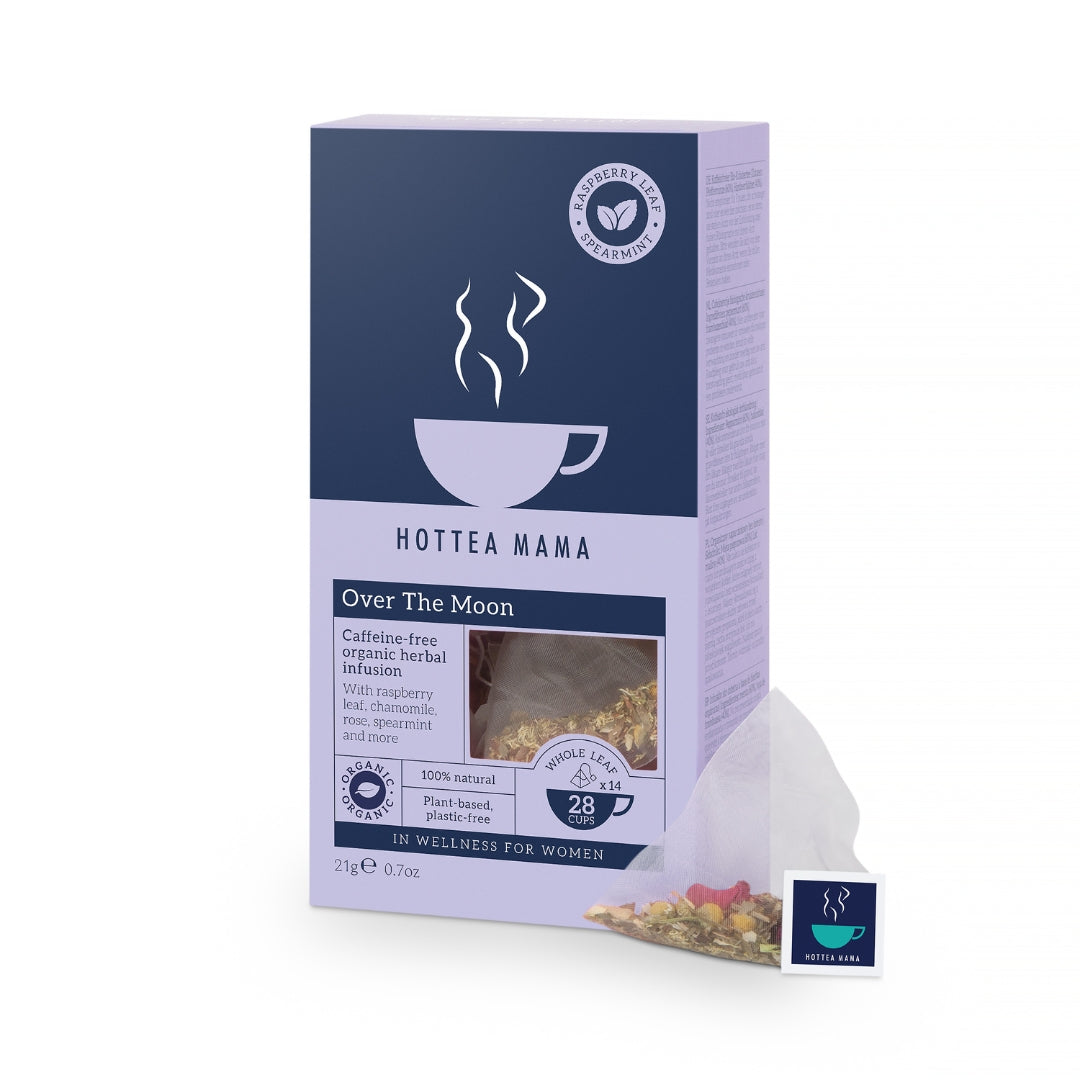
Include magnesium and calcium-rich foods (almonds & spinach) in your diet to stabilise mood dips. Omega-3s from flax or salmon can curb inflammation. Our Over the Moon tea (raspberry leaf, chamomile, dandelion) can support uterine health, soothe and stabilise hormones.
Yoga, walking, and 7-9 hours sleep can regulate serotonin. Whilst reducing caffeine/alcohol in the afternoon and evening can help improve the quality of your sleep.
Resources & Next Steps
Connect via IAPMD.org for PMDD forums, Mind.org.uk (0300 123 3393) for mental health, or the NHS website for further information and support.









Comments