
What Happens During a C‑Section & How to Recover

Every birth story is unique — and for around one in three mums in the UK, that story includes a C‑section (caesarean birth). Whether planned or unexpected, having surgery to welcome your baby is a major event, and understanding what happens during the procedure, and how to look after yourself afterwards, can make an enormous difference to your recovery.
What Happens During a C‑Section
A C‑section is an operation that delivers your baby through an incision in your abdomen and uterus. It’s performed under regional anaesthetic (spinal or epidural), so you’re awake but comfortably numb from the chest down.
Once the anaesthetic takes effect, your medical team will:

The full surgery takes about 40-60 minutes, depending on your circumstances. What follows is a recovery period that deserves patience and self‑kindness.
The Layers That Heal After a C‑Section
Because a C‑section passes through several layers, your body is healing more than just the visible scar. Each layer needs time and gentle care to recover:
- Skin & fatty tissue: The surface layer - the one you can see and feel. It usually seals within 1-2 weeks.
- Fascia & abdominal muscles: These are separated, not cut, during the procedure. They can feel sore for several weeks as strength returns.
- Uterus (womb): The deepest layer - where your baby was born. It heals internally over six to eight weeks.
- Nerves and connective tissue: These slowly regenerate, sometimes causing tingling or numbness near the scar for months - a normal stage of recovery.
Understanding these layers helps you appreciate your body’s incredible healing process.
How to Care for Your C‑Section Wound
Your incision will be covered with a dressing at first, then left to air once it dries and seals.
Support your healing naturally with these gentle steps:
- Keep it clean and dry: Use plain water when washing and pat dry gently. Avoid perfumed soaps until advised otherwise.
- Wear loose cotton clothing: High‑waisted underwear and breathable fabrics prevent irritation.
- Avoid heavy lifting: Stick to lifting only your baby for the first few weeks.
- Use a pillow for support: Hold it gently against your tummy when coughing or laughing.
- Monitor healing: Some pulling and swelling are normal, but seek advice if you see redness, fluid, or sharp pain.
- Stay ahead of pain: Take prescribed medication regularly - comfort supports faster recovery.
Gentle, Natural Ways to Support Recovery
Alongside rest and nutrition, small self‑care rituals can make recovery more nurturing:
- Stay well‑hydrated to aid tissue repair.
- Eat vitamin‑rich foods to strengthen your healing (think berries, tofu, nuts, and citrus).
- Soothe naturally by choosing herbal blends over caffeine — caffeine can irritate the bowel post‑surgery.
Caffeine Free Blends To Support Recovery
Get Up & Glow - your natural boost without the caffeine. This fruity, vitamin-rich blend brings energy from natural ingredients. It’s the perfect gentle alternative when you want a pick-me-up that supports your body’s healing.
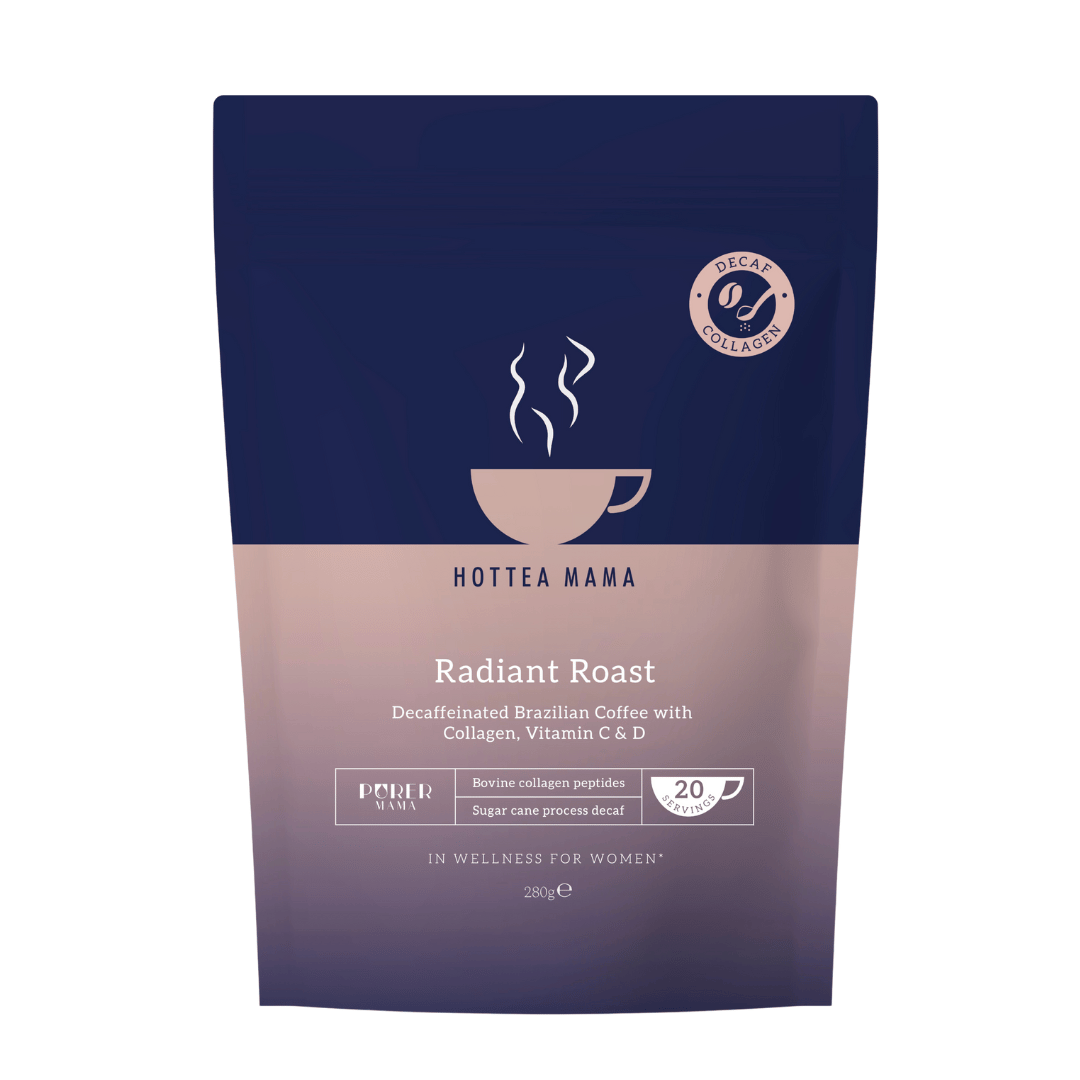
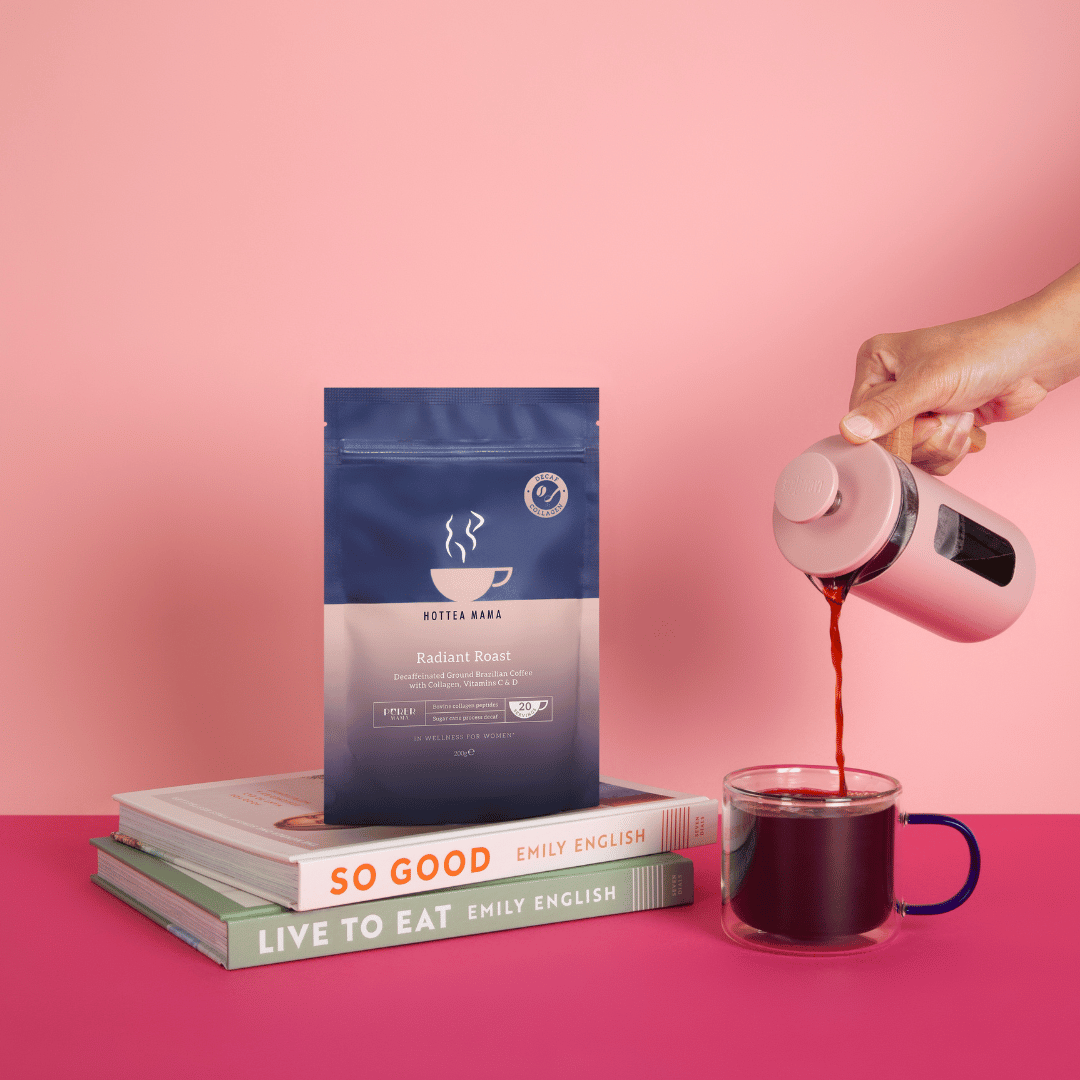
Radiant Roast Decaf Coffee - all the ritual and rich flavour of your morning brew, but naturally caffeine-free, so you can skip the crash. Plus, it contains added bovine collagen, helping support skin repair and pelvic floor strength as your body rebuilds from within.
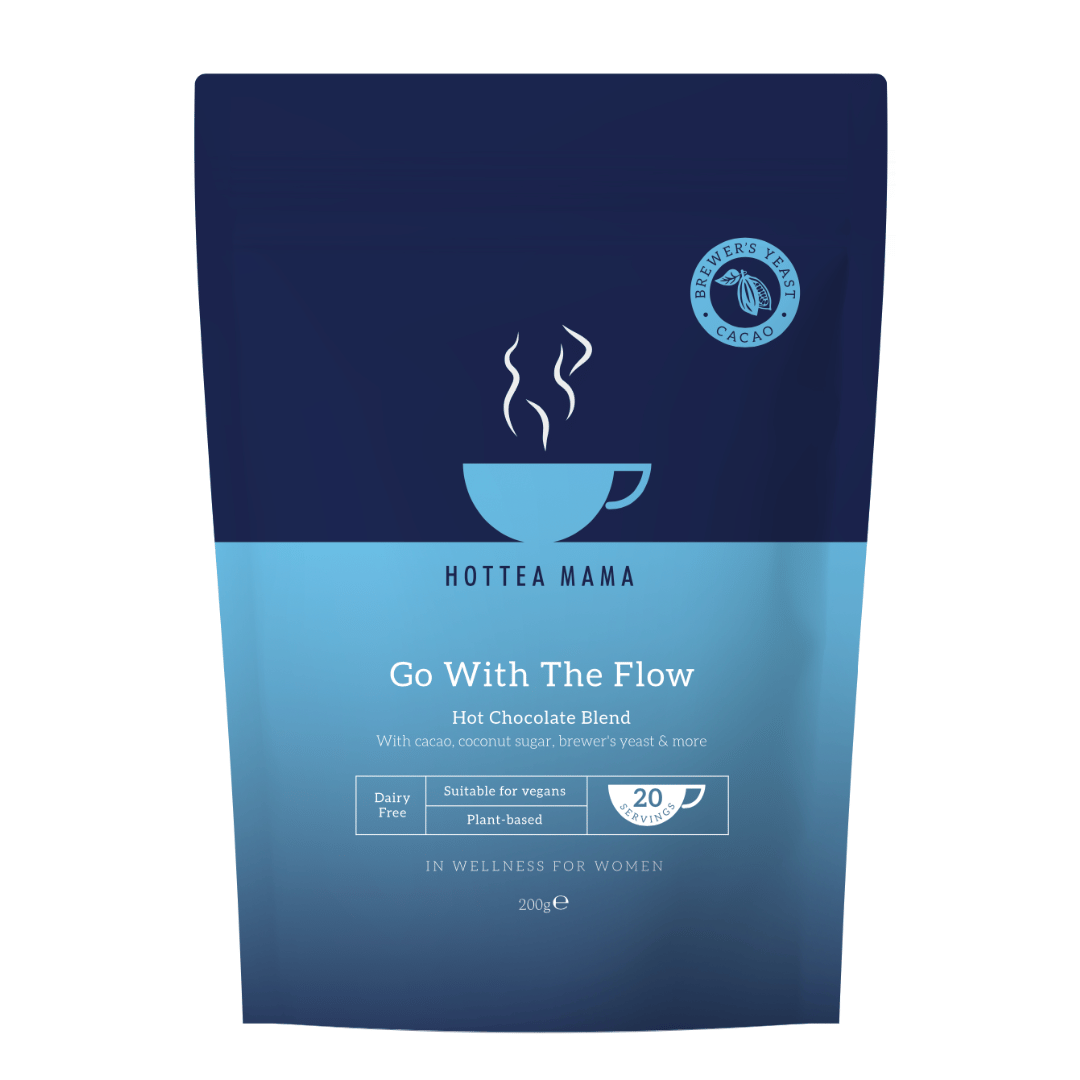
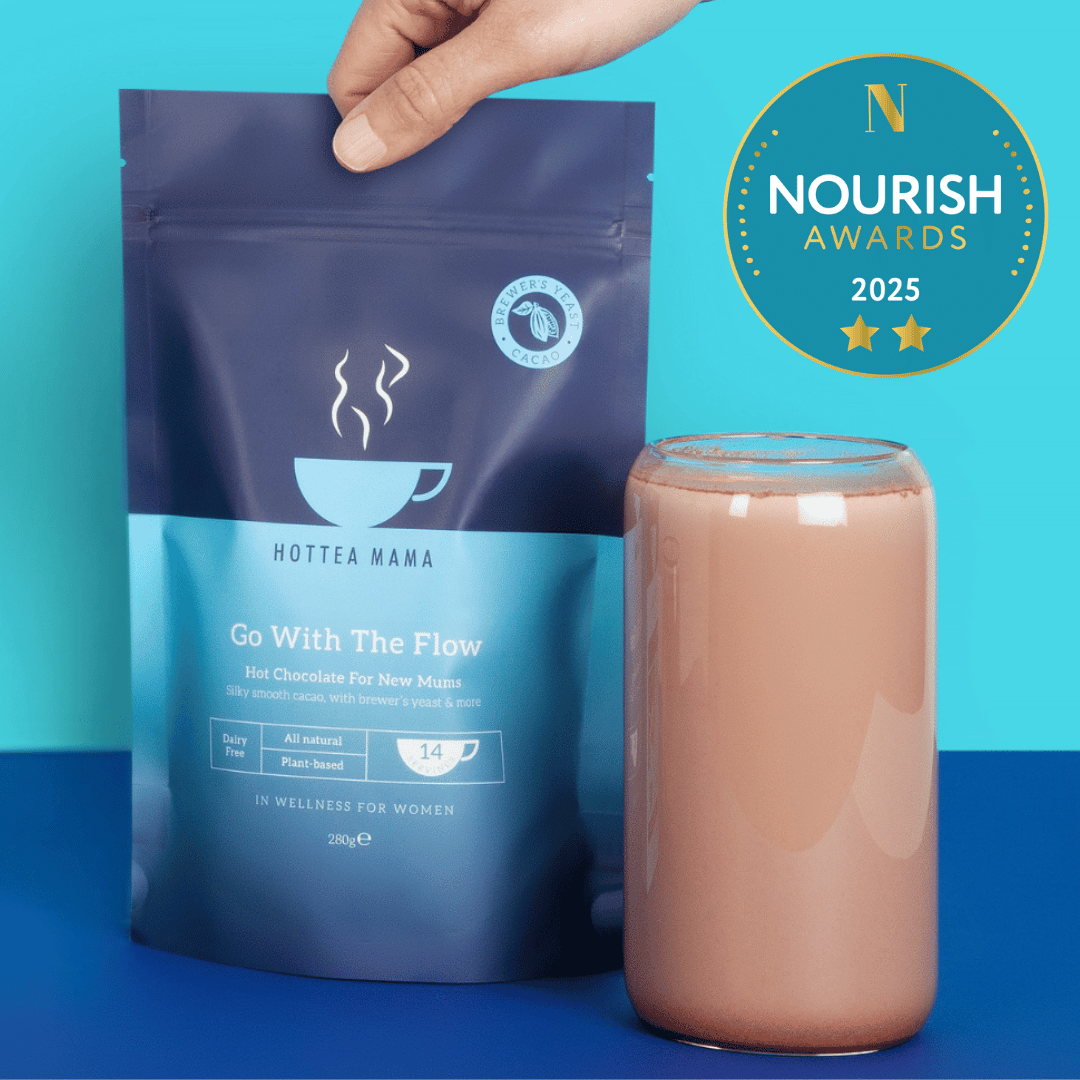
Go With The Flow Hot Chocolate - a luxurious moment of calm to support your breastfeeding journey. Made with Ghanian cacao , it helps soothe body tension, relax the mind, and promote natural oxytocin release - the same hormone that supports milk let-down and bonding.
Milks Up Tea - a gentle, herbal blend to encourage milk flow and keep you hydrated. Containing fennel, fenugreek, and nettle, natural herbs that have been traditionally used to support your milk supply.
Recovering from a C-section takes time and care. Try to slow down, honour your body’s pace, and lean into the support around you. Rest, nourishment, and kindness to yourself all matter just as much as caring for your little one. You’ve brought new life into the world — now give yourself permission to rest and be cared for, too.



Comments