
How To Sleep Better During Menopause
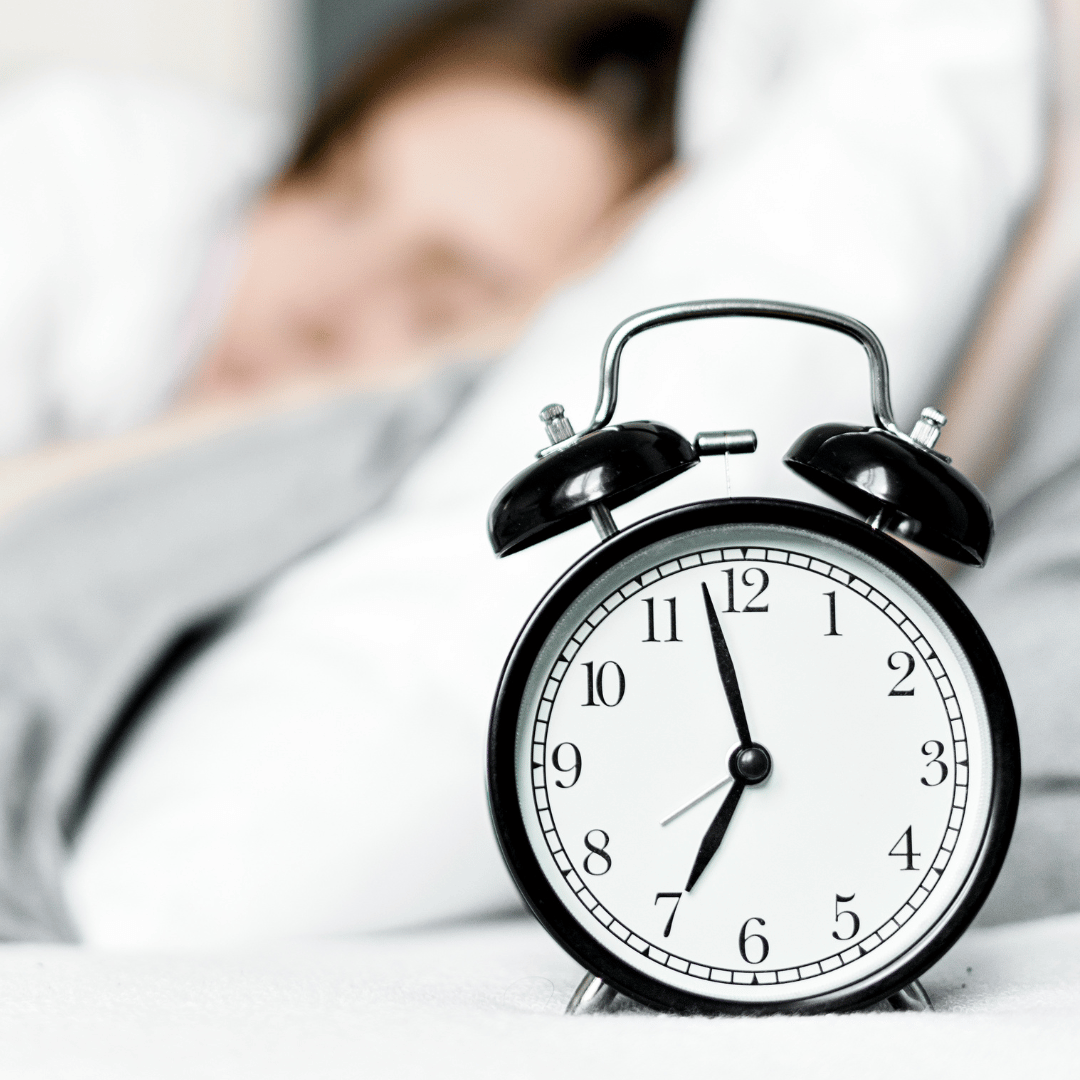
Menopause can deeply disrupt sleep. Shifting hormones, especially falling oestrogen and fluctuating progesterone, raise your body’s internal “noise”, affecting sleep quality. Night sweats, hot flushes and mood changes can all make it harder to fall asleep and then stay asleep.
What’s going on?
-
Vasomotor symptoms (VMS): Researches has shown that hot flushes and night sweats cause fragmented sleep. They are caused by a decline in estrogen, which disrupts your hypothalamus, tricking it into thinking that you're hotter than you are. This is not what your body needs to cool down for a deep sleep.
-
Anxiety and stress: Lower estrogen affects your moods by reducing serotonin levels that can improve mood. This can cause 'mental arousal' at bedtime, and a brain that won't shut off.
-
Lifestyle triggers: Alcohol, caffeine, spicy food, and warm rooms can trigger mood swings, hot flushes, stress and anxiety, worsening sleep quality.
Natural strategies that help
1) Cool your nights. It may sound obvious, but keep your bedroom cool, use breathable layers for pyjamas and bed sheets - cotton or bamboo. Consider getting a fan, or a cooling pillow/mattress topper. And a brief cool shower before bed can reduce heat load - reducing your body temperature to help you fall asleep.
2) Try to keep consistent sleep habits. Fix your wake/bed times and create a wind-down routine in the evening. It can be as simple as no screens for 30 minutes before bed, low light in the house in the evening, and keeping the bed for sleep and intimacy only. Avoid caffeine after early afternoon.
3) Control your caffeine intake. Firstly, limit your caffeine intake from the early afternoon. And in the evening, incorporate a herbal tea or hot chocolate into your routine. The right functional drink, when delicious, can increase your oxytocin levels and improve your mood before bed. If that drink has naturally relaxing and soothing herbs, like our Night Owl tea, or one that can increase your protein intake like of Collagen Calm hot chocolate, then these will also improve sleep quality.
4) Move during the day. Regular physical activity supports sleep quality and can reduce vasomotor symptoms for some people. Aim for daytime exercise - it doesn't need to be intensive, but if you do any HIIT or similar intense exercise, finish this a few hours before bed.
5) Mindfulness. Relaxation training and mindfulness techniques can support you in the build up to bedtime, reducing stress and anxiety. It can be hard to know exactly how to approach this, but in general paced breathing isn’t recommended specifically for hot flush relief by menopause experts, but general relaxation can still help you switch off.
6) Review alcohol and late meals. Alcohol worsens sleep at any time of life, but during perimenopause it can trigger night sweats and anxiety. So try to have lighter evening meals and minimal alcohol as both of these changes can help improve sleep quality.
When to seek extra help
If hot flushes/night sweats are frequent or severe, you need to speak to your healthcare professional. Hormone replacement therapy (HRT) is the most effective treatment for menopausal symptoms and can improve sleep when nutrition, diet and lifestyle are not worsening symptoms; non-hormone prescription options also exist if HRT isn’t suitable for you.
The bottom line, is that perimenopausal sleep problems are common—and fixable. Look to your lifestyle first - cool the room, simplify your evening, keep caffeine and alcohol in check, but make sure you get support early if symptoms are mounting.



Comments