
Endometriosis - Symptoms and Diagnosis
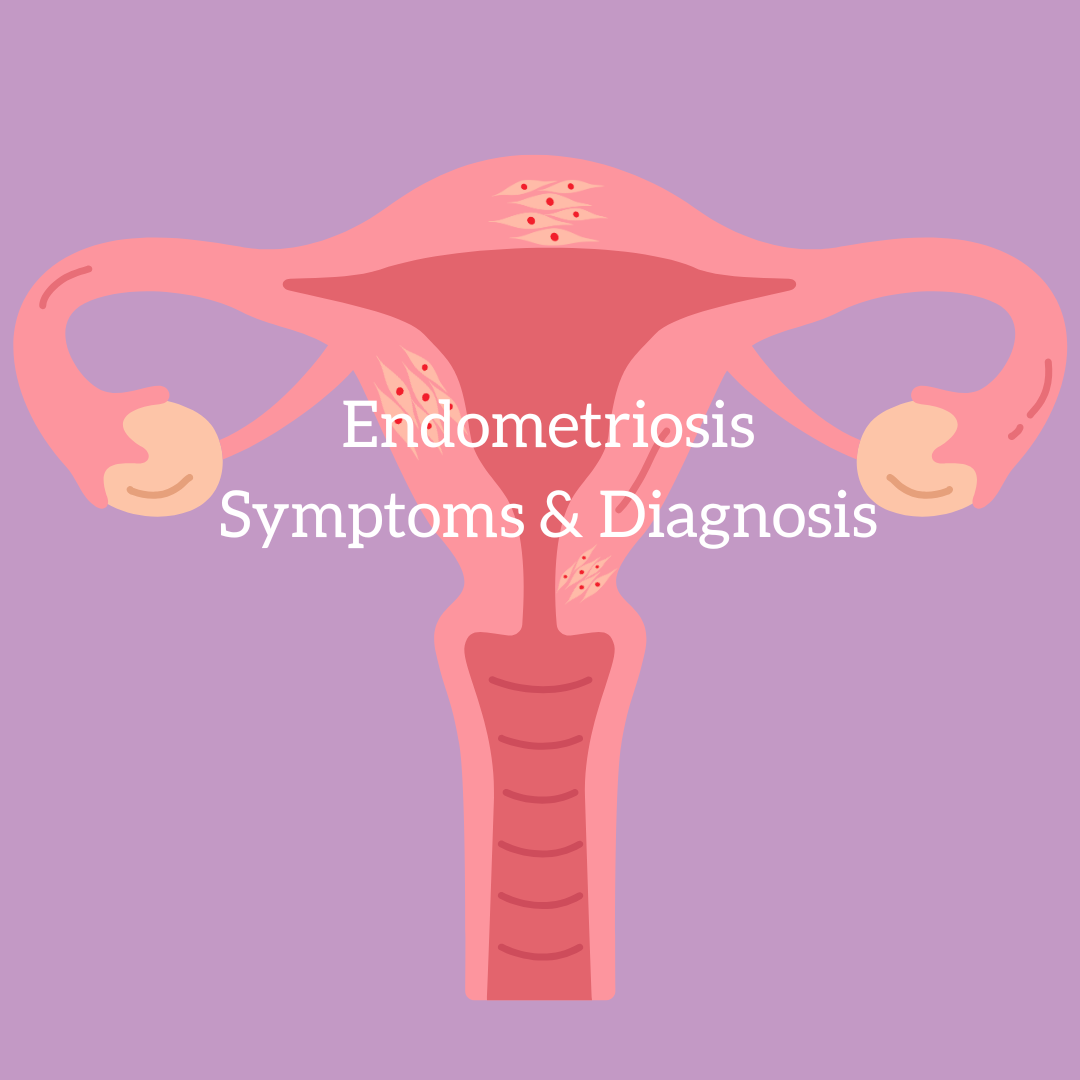
Endometriosis is the second most common gynaecological condition in the UK. Yet despite its prevalence, it often goes undiagnosed for years.
Endometriosis Statistics:
- 1.5 to 2 million women in the UK are currently living with endometriosis. That’s about 1 in 10 women of reproductive age.
- On average, it takes 7.5 years from the time a woman first visits her GP with symptoms to receiving a formal diagnosis.
- Endometriosis can affect women at any life stage - though the condition most often appears in their 20s to 40s.
What is Endometriosis?
Endometriosis occurs when tissue similar to the lining of the womb (the endometrium) grows outside the uterus. These misplaced patches can attach to organs such as the ovaries, Fallopian tubes, bladder, or bowel. Each month, this tissue reacts to hormonal changes, thickening and breaking down as it would inside the womb- but without a way to exit the body, it can cause inflammation, scarring, and significant pain.
Common Symptoms
Every woman’s experience is unique, but common symptoms are:
- Persistent or severe pelvic pain, especially during menstruation or ovulation.
- Pain during or after sex.
- Fatigue and bloating.
- Painful bowel movements or urination
- In some cases, difficulty conceiving
Diagnosis
Because symptoms overlap with other conditions, women often face a long journey to diagnosis. The best diagnostic method is laparoscopic surgery, where a small camera is inserted through an incision in the abdomen to inspect and biopsy tissue. Other types of diagnosis include pelvic exams, ultrasound, and MRI scans, all of which can help detect potential areas of concern.
Endometriosis awareness is growing, but stories still too often go unheard. The more we talk about these statistics - and the real experiences behind them - the sooner women can get the understanding, support, and the earlier diagnosis that they deserve.
Supportive sips for cycle care
Whilst a drink won't cure endometriosis, building small daily rituals around soothing drinks can be a gentle way to support your body and create moments of calm.
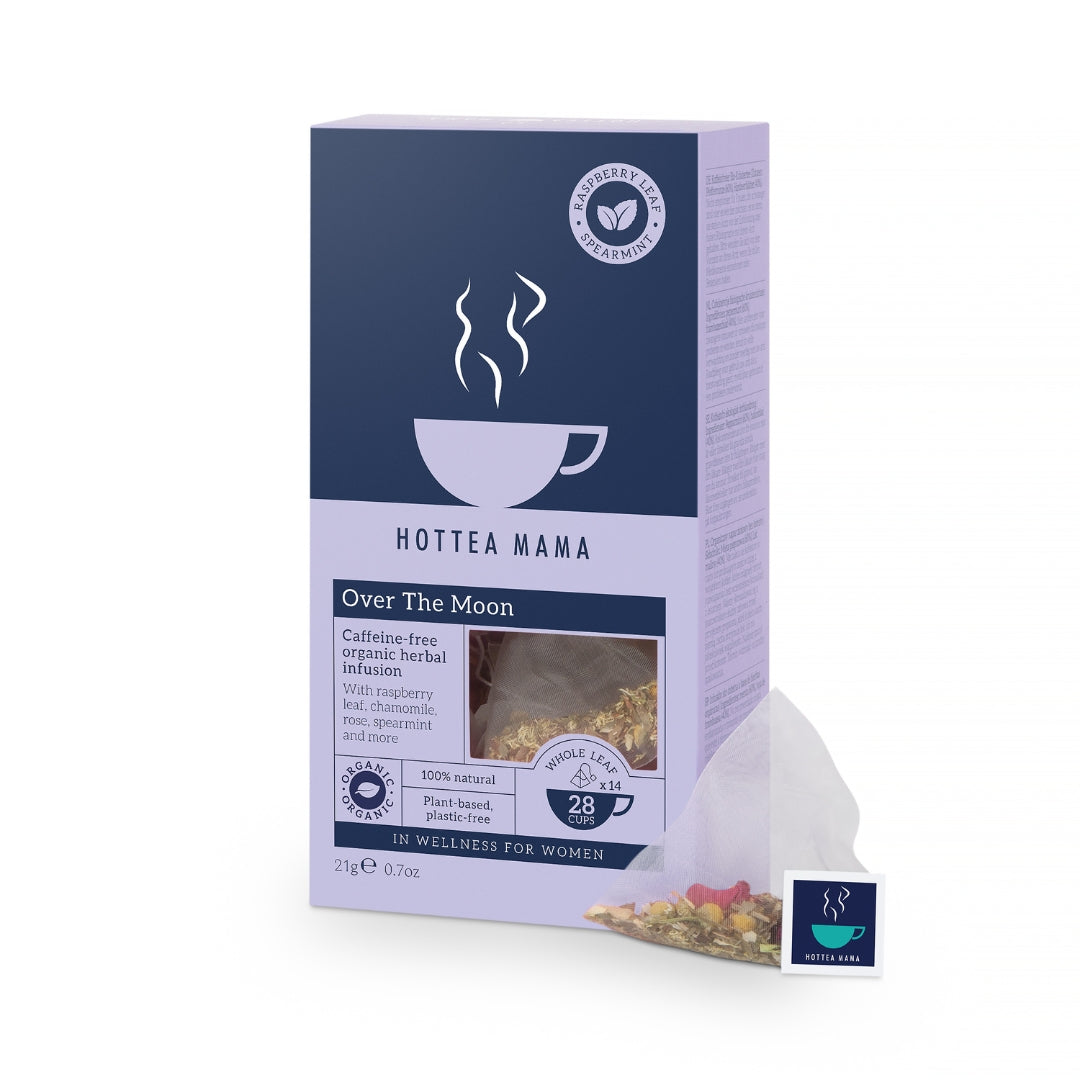
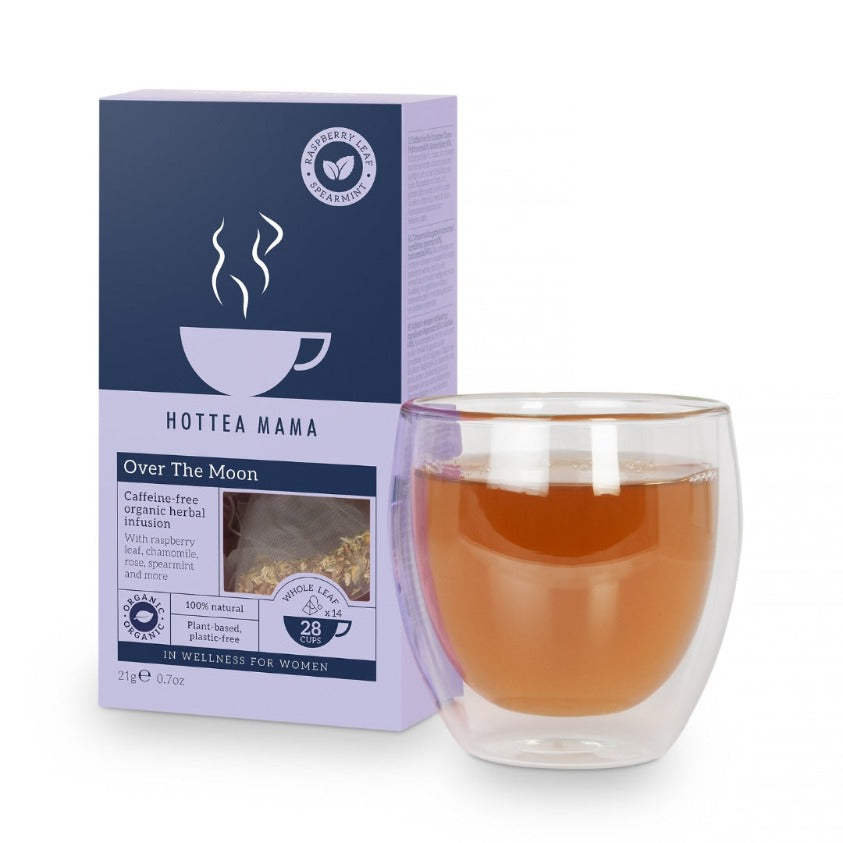
Over The Moon - designed to support the common symptoms of endometriosis. It combines raspberry leaf, chamomile, ginkgo, spearmint, dandelion root and rose petals - botanicals traditionally used to soothe cramps, ease bloating, support a more regular cycle and regulate hormones.
Get Up & Glow - caffeine can worsen symptoms such as poorsleep and pain sensitivity linked with endometriosis. Get Up & Glow offers an uplifting, fruity, caffeine-free alternative to coffee or standard tea, helping you enjoy a morning (or afternoon) pick-me-up without relying on caffeine.
Collagen Calm - poor sleep can make pelvic pain, fatigue and mood symptoms feel even harder to manage. Collagen Calm hot chocolate is a soothing blend of cacao and collagen, that can help you to wind down, making it easier to prioritise deep, restorative sleep as part of your overall symptom management routine.

Comments