
PCOS Is Now PMOS: What You Need to Know About the New Name
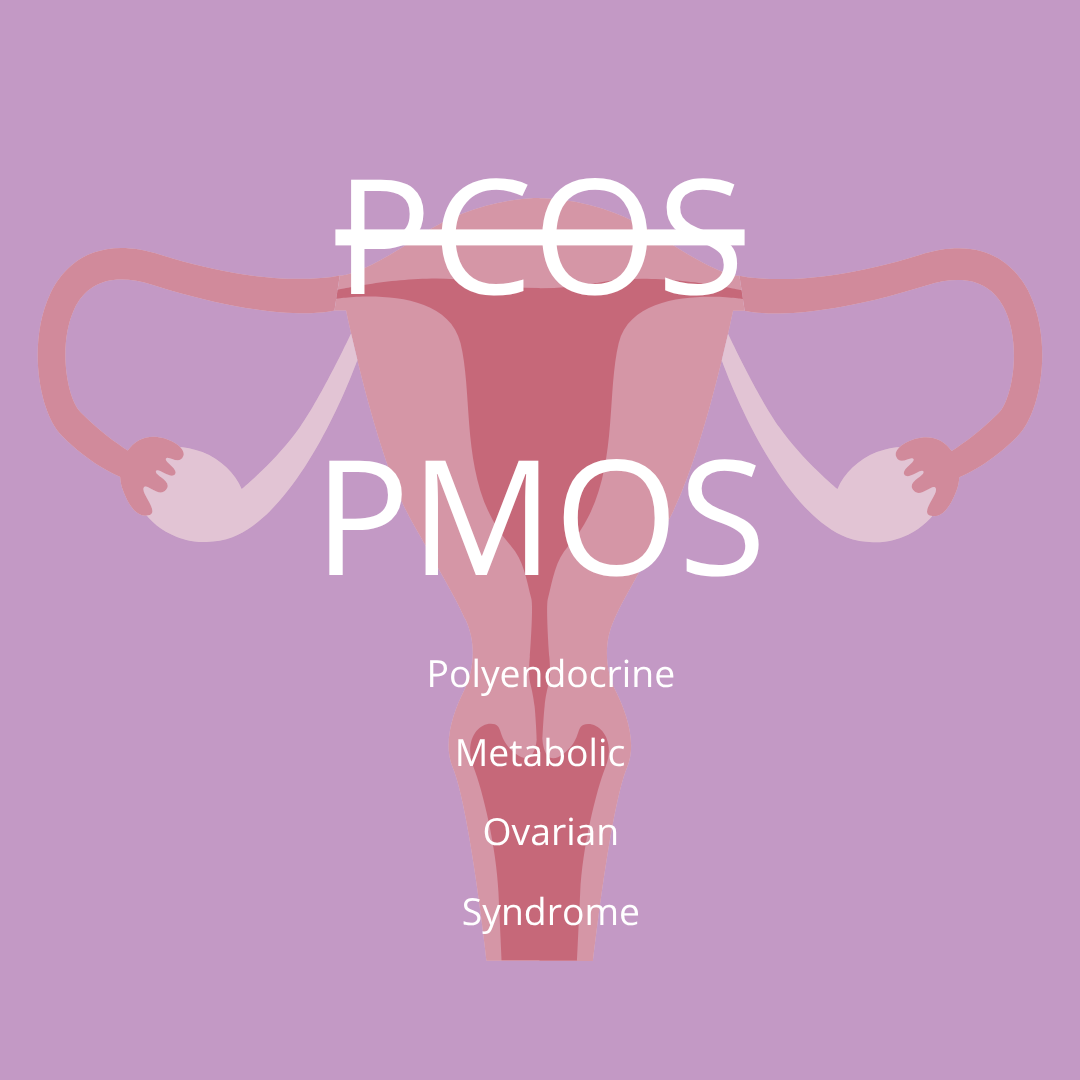
Polycystic Ovary Syndrome (PCOS) has officially been renamed Polyendocrine Metabolic Ovarian Syndrome (PMOS) following a global medical consensus. This change reflects a more accurate understanding of the condition as a whole-body hormonal and metabolic disorder, rather than something limited to the ovaries.
For women navigating hormone imbalances, this shift is important—it changes how we understand symptoms, treatment, and long-term health.
Why the Name Change Matters
For years, the term “PCOS” has been misleading. Despite the name, many women with the condition don’t actually have cysts on their ovaries, and the condition itself extends far beyond reproductive health.
The new name, PMOS, breaks down as follows:
Polyendocrine: Multiple hormone systems are involved—not just reproductive hormones, but also insulin and stress-related hormones.
Metabolic: Highlights the strong link to metabolism, including insulin resistance and increased risk of conditions like type 2 diabetes and cardiovascular disease.
Ovarian: Retains the connection to ovulation and reproductive health.
This reframing helps both healthcare professionals and women better understand that PMOS is a whole-body condition, not just an ovarian issue.
PMOS Symptoms
Understanding PMOS as a metabolic and endocrine condition helps explain the wide range of symptoms women experience.
Common PMOS (PCOS) symptoms include:
- Irregular or missing periods
- Difficulty ovulating or fertility challenges
- Acne or skin changes
- Excess hair growth or hair thinning
- Weight gain or difficulty losing weight
- Fatigue and energy dips
- Blood sugar imbalances and cravings
Recognising that these symptoms as interconnected, and not isolated, can help women seek more effective support.
PMOS diagnosis, treatment & awareness
The shift from PCOS to PMOS has real implications for diagnosis, treatment, and awareness.
It encourages whole-body treatment approaches, not just reproductive focus, and highlights the importance of metabolic health and insulin sensitivity. The change will also improve understanding in supporting women's symptoms beyond fertility related symptoms.
It is an important step toward more comprehensive and compassionate care.
Natural Ways to Support PMOS
While medical support is essential, many women benefit from lifestyle and nutritional strategies that help regulate hormones and support metabolic health.
Our blog: 5 Natural Ways to Support PCOS - shares simple, everyday ways to help support and manage your symptoms.
Natural and holistic approaches can complement medical care and help you feel more in control of your symptoms.
Our Over the Moon tea is specially blended to support women experiencing hormone imbalances, including those associated with PMOS. Using herbs traditionally linked to menstrual and hormonal support, this blend is designed to:
- Support hormonal balance
- Soothe menstrual discomfort
- Encourage a moment of calm in your day
PMOS: A More Accurate Future for PCOS
The transition from PCOS to PMOS reflects a long-overdue shift in how we understand women’s health. By recognising the condition as polyendocrine and metabolic, it opens the door to better support, more effective management strategies, and greater awareness.
If you’ve been diagnosed with PCOS - or are exploring symptoms, this new framework may help you better understand your body and the support it needs.



Comments