

Additional Info
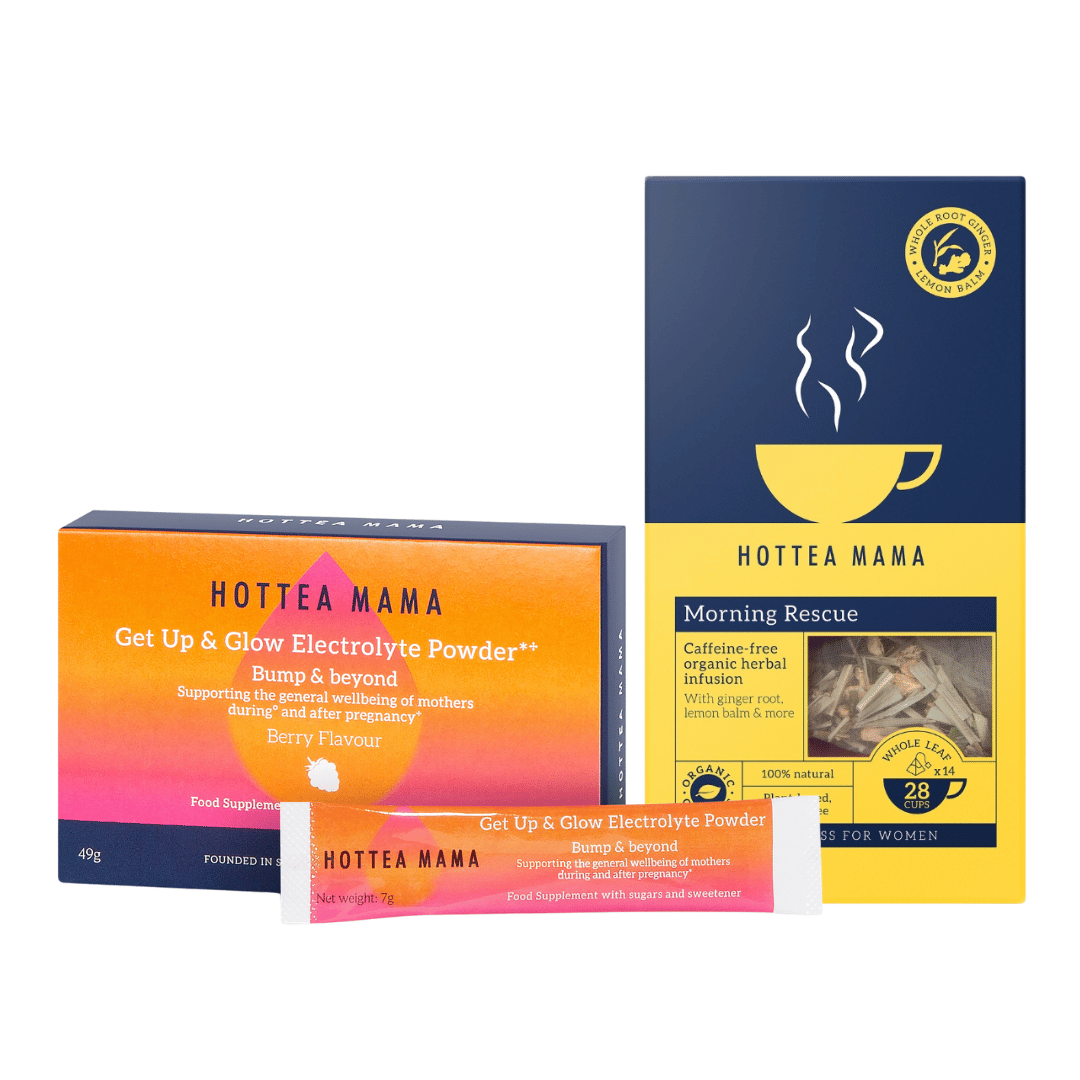
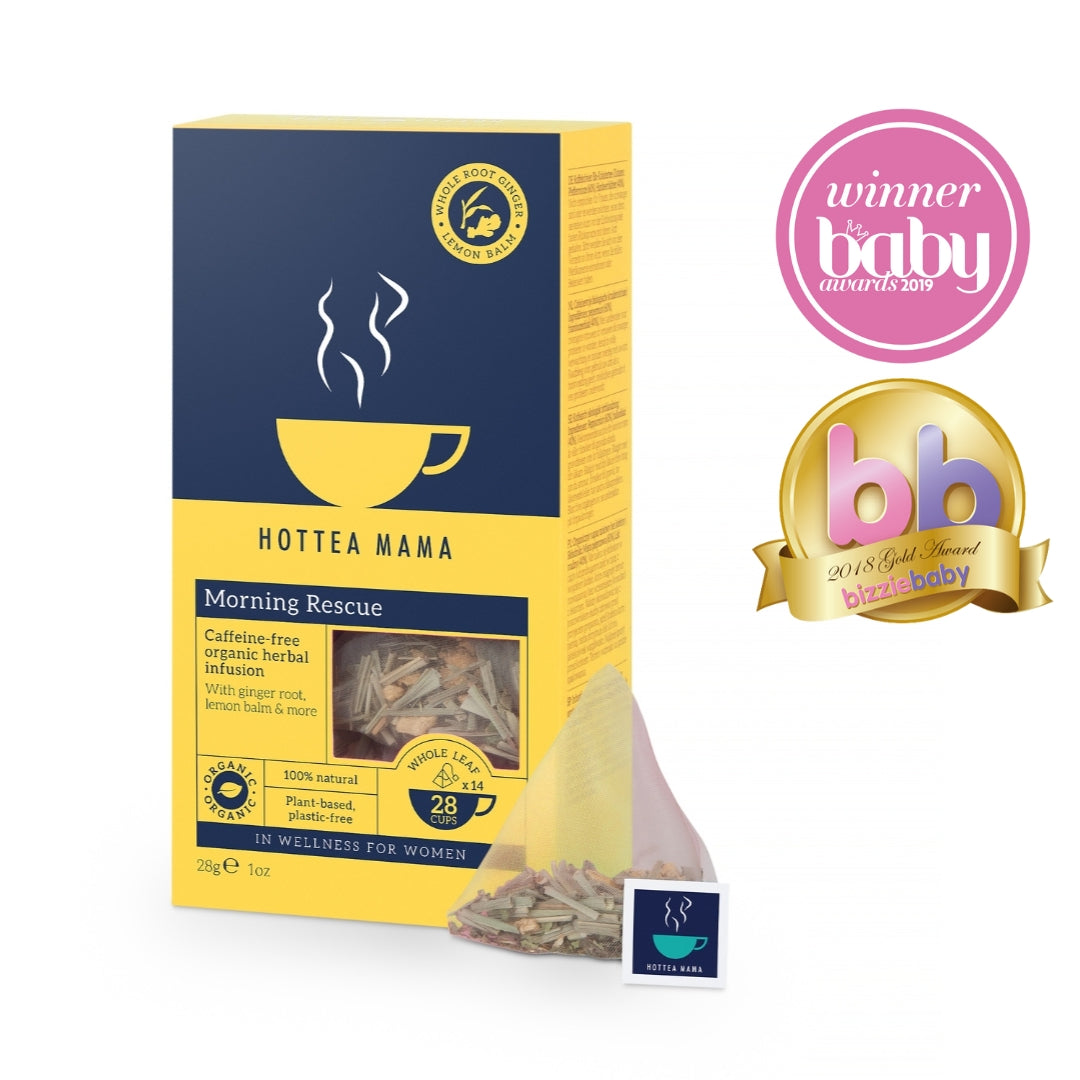
Morning Rescue blends lemon verbena, lemon balm, African mint, lemongrass, and ginger to help gently soothe the stomach and ease feelings of nausea, supporting comfort during pregnancy sickness.
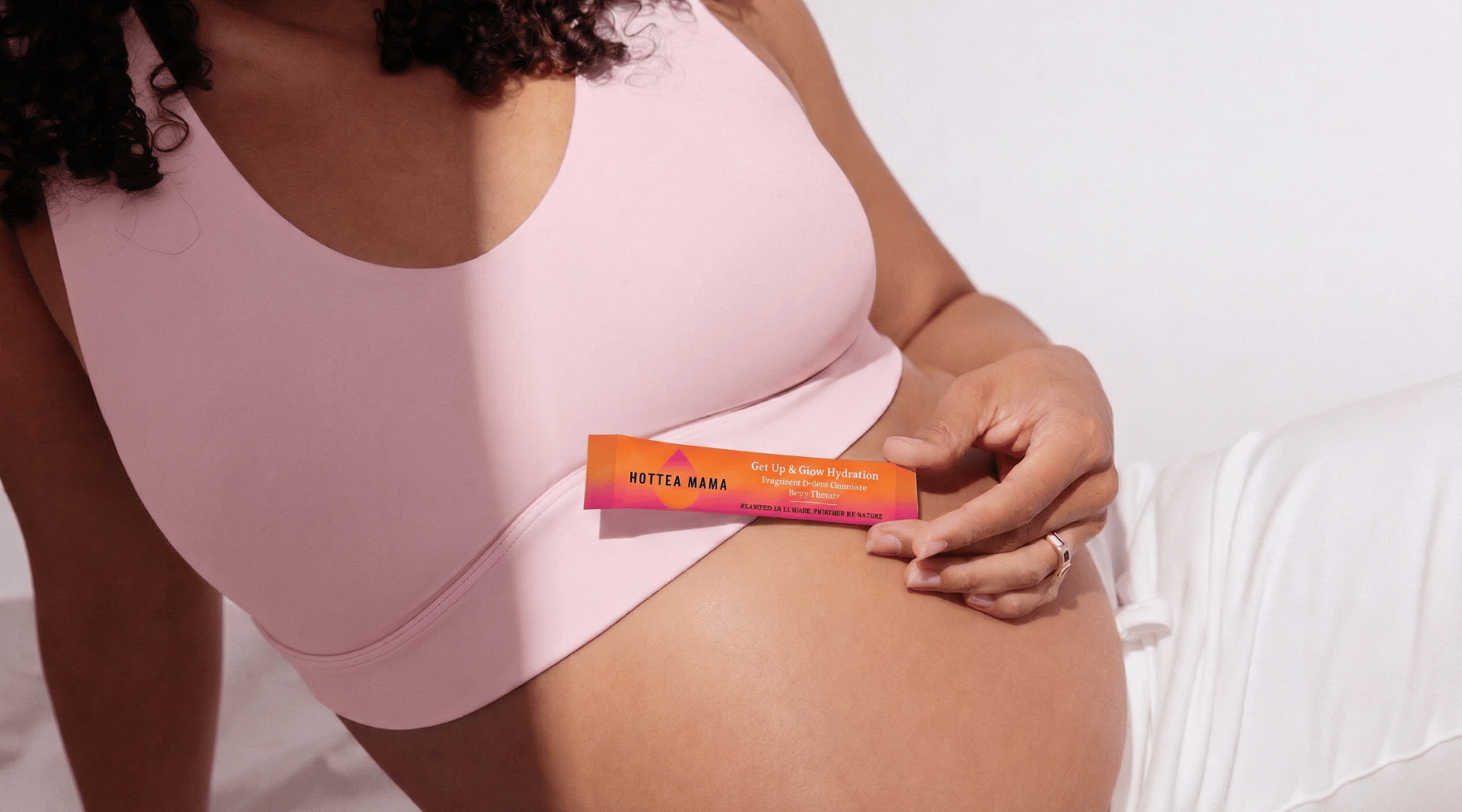
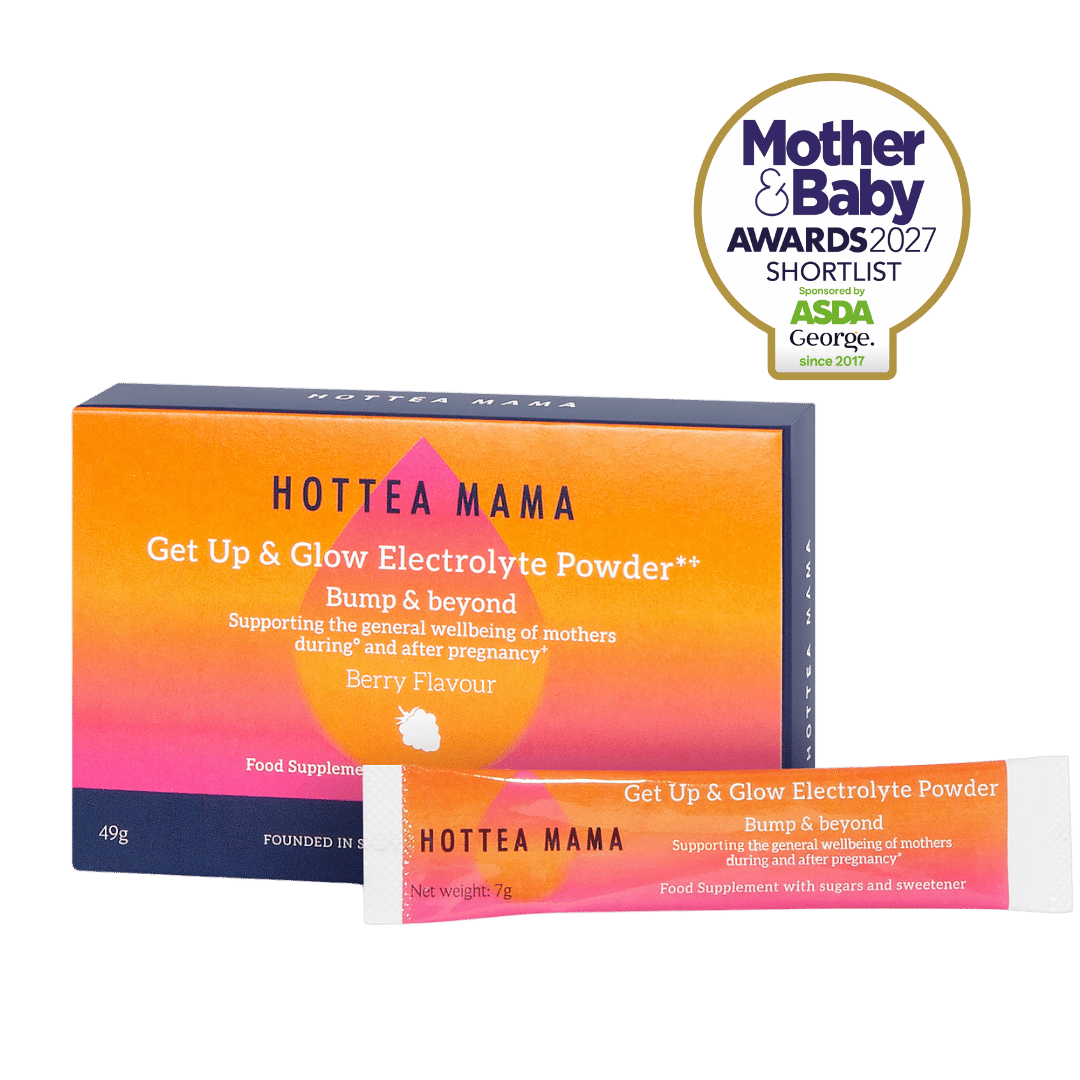
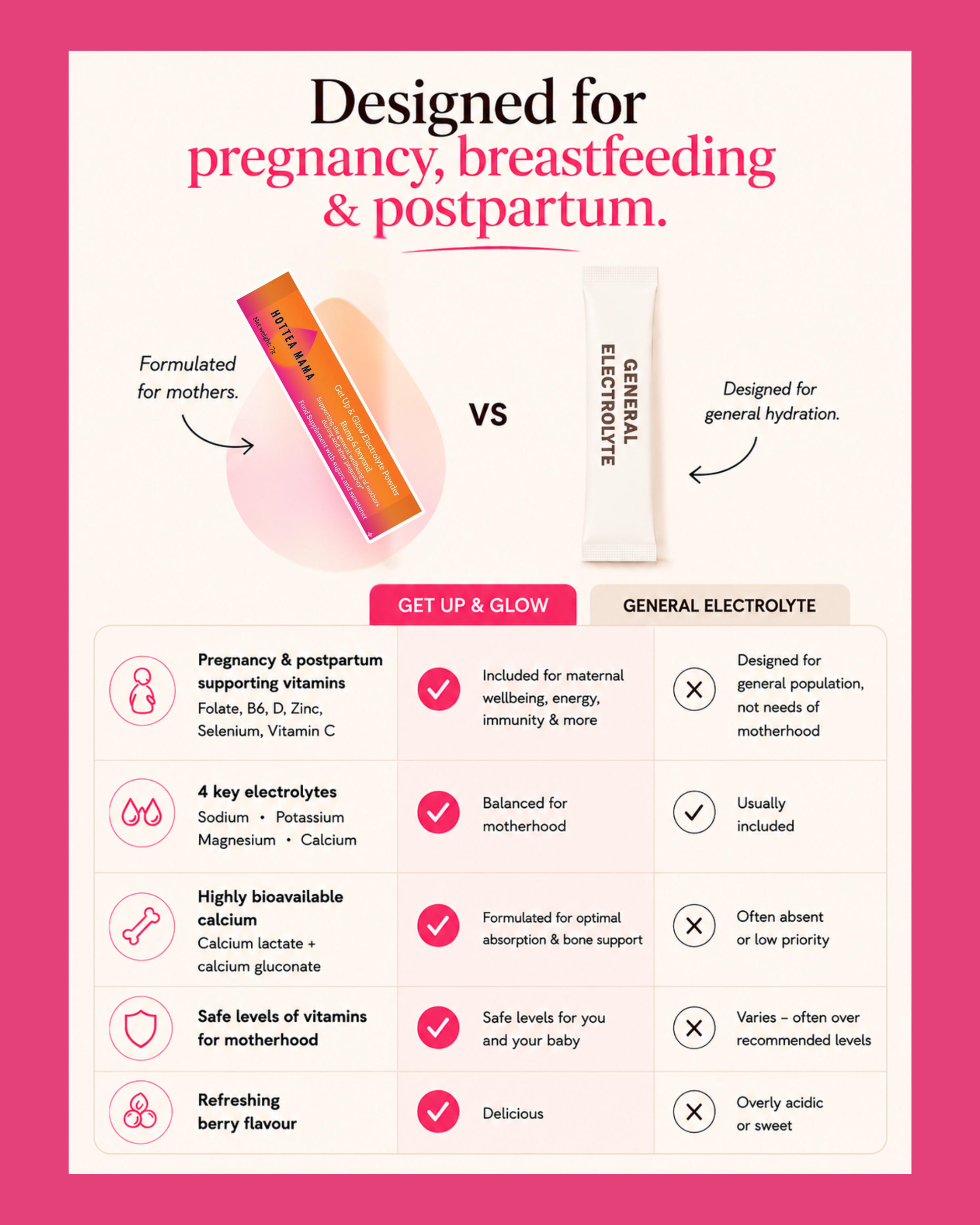
Paired with Get Up & Glow Electrolyte Powder, which helps restore hydration more effectively than water alone while replenishing essential nutrients to reduce fatigue, support energy, and promote overall wellbeing when you’re feeling depleted.
Research behind Get Up & Glow Electrolyte Powder:
Why hydration matters more in pregnancy
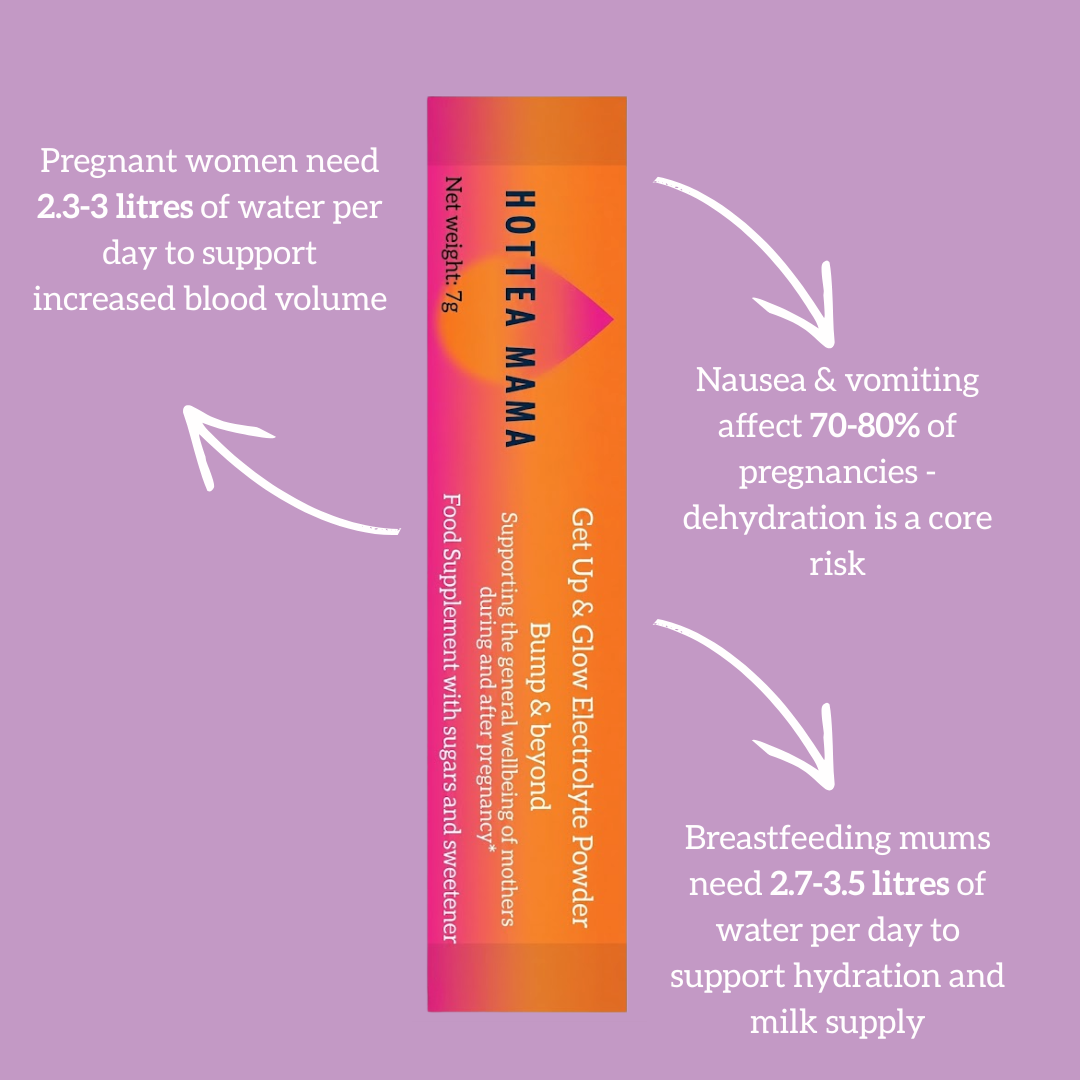
Blood volume increases by up to 50% during pregnancy, meaning the body's need for fluid rises substantially. Research consistently shows that even mild dehydration during pregnancy is associated with increased fatigue, headaches, reduced amniotic fluid levels, and a heightened risk of urinary tract infections. The European Food Safety Authority recommends pregnant women increase their daily fluid intake to approximately 300ml above the standard 2 litres per day.[1,2]
Electrolytes and the active transport mechanism
The body uses a sodium-glucose co-transporter (SGLT1) in the small intestine to actively move water into the bloodstream. Clinical evidence supporting oral rehydration therapy — first developed by the World Health Organisation — demonstrates that including glucose alongside sodium dramatically accelerates water absorption compared to water alone. This is the science behind electrolyte drinks and why they outperform plain water during periods of increased physiological demand.[3,4]
Folic acid and neural tube defect prevention
One of the most robustly evidenced interventions in maternal health: supplemental folic acid taken before and during early pregnancy significantly reduces the risk of neural tube defects (NTDs) such as spina bifida. The NHS, NICE, and the WHO all recommend 400µg daily throughout the first trimester, with higher doses recommended for those at increased risk. Get Up & Glow provides 400µg per serving — in line with standard UK prenatal guidance.[5,6]
Magnesium deficiency in pregnancy
Studies suggest that magnesium requirements increase during pregnancy, yet dietary surveys frequently identify inadequate magnesium intake in pregnant women. Magnesium plays a critical role in over 300 enzymatic processes, and low levels are associated with leg cramps, sleep disturbance, and pregnancy-induced hypertension. Magnesium citrate — the form used in Get Up & Glow — has a clinically demonstrated absorption rate of 30–40%, compared to just 4–15% for poorly soluble forms such as magnesium oxide.[7,8]
Hydration and breastfeeding
Breast milk is approximately 87% water. Breastfeeding increases a mother's fluid requirements by around 700ml per day, and inadequate hydration can affect both milk volume and maternal wellbeing. Research indicates that breastfeeding women are at greater risk of mild, chronic dehydration, and that electrolyte-containing drinks can better support fluid retention than water alone.[9,10]
Vitamin D and maternal health
Vitamin D deficiency is widespread in the UK, particularly during pregnancy. Evidence links adequate vitamin D status with reduced risk of gestational diabetes, pre-eclampsia, and poor neonatal bone density. The NHS recommends all pregnant and breastfeeding women take a daily supplement containing 10µg of vitamin D — a recommendation reflected in this formulation.[11,12]
REFERENCES
[1] EFSA Panel on Dietetic Products (2010). Scientific Opinion on Dietary Reference Values for Water. EFSA Journal, 8(3):1459.
https://efsa.onlinelibrary.wiley.com/doi/10.2903/j.efsa.2010.1459
[2] Goodlin RC et al. (1983). Asymptomatic maternal hydration during gestation. Am J Obstet Gynecol.
(No open-access URL found — not available online)
[3] Binder HJ et al. (2014). Oral rehydration therapy in the second decade of the twenty-first century. Curr Gastroenterol Rep, 16(3):376.
https://pubmed.ncbi.nlm.nih.gov/24562469/
[4] Loo DD et al. (1996). Cotransport of water by the Na+/glucose cotransporter. Proc Natl Acad Sci USA, 93(23):13367.
https://www.pnas.org/doi/10.1073/pnas.93.23.13367
[5] MRC Vitamin Study Research Group (1991). Prevention of neural tube defects: results of the MRC vitamin study. The Lancet, 338(8760):131–137.
https://pubmed.ncbi.nlm.nih.gov/1677062/
[6] NICE (2017). Vitamin supplementation in pregnancy. Clinical Knowledge Summary.
https://www.nice.org.uk/guidance/ng247/chapter/Recommendations
[7] Dahle LO et al. (1995). The effect of oral magnesium substitution on pregnancy-induced leg cramps. Am J Obstet Gynecol, 173(1):175–180.
https://pubmed.ncbi.nlm.nih.gov/7631676/
[8] Walker AF et al. (2003). Mg citrate found more bioavailable than other Mg preparations. Magnesium Research, 16(3):183–191.
https://pubmed.ncbi.nlm.nih.gov/14596323/
[9] Kellams A et al. (2017). ABM Clinical Protocol #3: Supplementary Feedings in the Healthy Term Breastfed Neonate. Breastfeed Med.
https://pubmed.ncbi.nlm.nih.gov/28294631/
[10] Harnack L et al. (1999). Soft drink consumption among US children and adolescents. J Am Diet Assoc.
(Note: this reference appears to be a citation error in the original document — it concerns children's soft drink consumption, not breastfeeding hydration. No relevant URL provided.)
[11] Bodnar LM et al. (2007). High prevalence of vitamin D insufficiency in black and white pregnant women. J Nutr, 137(2):447–452.
https://pubmed.ncbi.nlm.nih.gov/17237325/
[12] NHS (2024). Vitamins, supplements and nutrition in pregnancy.
https://www.nhs.uk/pregnancy/keeping-well/vitamins-supplements-and-nutrition/
Research behind Morning Rescue:
It is not a medicine and results will vary between individuals. However, all five key ingredients have a body of peer-reviewed research and/or recognised traditional use supporting their role in reducing nausea, supporting digestive comfort and easing gastrointestinal discomfort. Below is a summary of the key evidence for each ingredient. Links to primary studies are provided for those who wish to read further.
Ginger root (primary evidence)
Viljoen E et al. (2014). A systematic review and meta-analysis of the effect and safety of ginger in the treatment of pregnancy-associated nausea and vomiting. Nutrition Journal, 13, 20.
DOI: 10.1186/1475-2891-13-20
View on PubMed / PMC →
Ginger root (NVP efficacy)Lete I & Allue J (2016). The Effectiveness of Ginger in the Prevention of Nausea and Vomiting during Pregnancy and Chemotherapy. Integrative Medicine Insights, 11, 11–17.
DOI: 10.4137/IMI.S36273
Ginger root (RCT - vs. vitamin B6)
Ensiyeh J & Sakineh MA (2009). Comparing ginger and vitamin B6 for the treatment of nausea and vomiting in pregnancy. Midwifery, 25(6), 649–653.
DOI: 10.1016/j.midw.2007.10.013
Lemon balm (EMA monograph)
European Medicines Agency (EMA). Assessment report on Melissa officinalis L., folium. EMA/HMPC/196745/2012.
View EMA assessment report →
Mint (antispasmodic / antiemetic)
Cappello G et al. (2007). Peppermint oil in the treatment of irritable bowel syndrome: a prospective double blind placebo-controlled randomized trial. Digestive and Liver Disease, 39(6), 530–536.
DOI: 10.1016/j.dld.2007.02.006
NHS guidance (ginger for morning sickness)
NHS (2023). Nausea and vomiting in pregnancy — self-care.
View NHS guidance →
Morning Rescue
Uplifting and zingy – citrus with a touch of spice and a tingle of mint. We have used three different types of lemon to ensure that the sweet, citrus notes are the perfect base to the tea
Lemongrass - has notes of mint in its flavour profile.
Lemon Balm - is mellow and warming, and can help to ease pain and discomfort from indigestion.
Lemon Verbena - is sweetly pungent.
Ginger - whole pieces of Ginger bring a warming tingle to the tea, and also can help to relieve bloating.
African Mint - soothing and finishes the blend with a sweet note.
Get Up & Glow Electrolyte Powder
Coconut Water Powder, Saccharose, Dextrose
Electrolyte carrier & hydration activator
Dextrose activates the SGLT1 co-transporter for rapid water absorption. Coconut water contributes natural electrolytes and flavour.
Sodium Chloride & Sodium Citrate
Sodium is the primary electrolyte for fluid balance and cell hydration. Citrate form acts as a pH buffer and helps neutralise lactic acid.
Potassium Citrate
High-density potassium source (~38% elemental potassium). Supports muscle function and balances sodium.
Magnesium Citrate
Electrolyte
Highly bioavailable organic form (30–40%
contributes to electrolyte balance and reduction of tiredness.
Calcium Lactate & Calcium Gluconate
Two bioavailable forms for effective calcium delivery. Both gentle on the stomach and can be absorbed with or without food.
Himalayan Pink Salt
Provides sodium alongside naturally occurring trace minerals including iron and potassium.
L-Ascorbic Acid Vit C
Contributes to normal immune system function and supports iron absorption.
Cholecalciferol (Vitamin D3)
Supports normal bone health, muscle function, and immune system function — especially important in pregnancy and postpartum.
Pyridoxine Hydrochloride Vit B6
Contributes to the regulation of hormonal activity and supports energy metabolism.
Pteroylmonoglutamic Acid (Folic Acid) Vit B9
400µg per serving — the UK recommended daily amount in pregnancy. Supports maternal folate status and reduces neural tube defect risk.
Zinc Gluconate
Highly bioavailable (~60.9% absorption), near-neutral taste. Contributes to immune function and protection from oxidative stress.
L-Selenomethionine
Organic amino acid-based selenium for superior absorption and retention. Supports thyroid function and immune health.
Citric Acid
Provides a refreshing taste profile and balances acidity of the drink.
Natural Flavourings, Red Berries Fruit Powder, Elderberry Powder
Natural fruit extracts for a delicious berry flavour and appealing colour. Elderberry in small amounts for colour only.
Steviol Glycosides (Stevia)
Providing sweetness without added sugar.
Get Up & Glow Electrolyte Powder
Energy (per 100g/1 - 7g stick) 274Kcal/19Kcal
Fat 0g/0g
of which Saturates 0g/0g
Carbohydrate 32g/2.2g
of which Sugars 26g/1.8g
of which Polyols 0g/0g
Protein 0g/0g
Salt 9.5g/0.67g
Is Get Up & Glow safe to use throughout pregnancy?
Yes. Get Up & Glow is specifically formulated with pregnancy safety in mind. All vitamins and minerals are included at levels consistent with UK prenatal guidance. As with any supplement, we always recommend checking with your midwife or GP if you have any individual concerns — particularly if you are taking other prenatal supplements alongside it.
Can I use it while breastfeeding?
Absolutely. The formulation has been developed to support both pregnancy and the postpartum period, including breastfeeding. Breastfeeding significantly increases your fluid and mineral requirements, and Get Up & Glow can help you meet those needs deliciously and conveniently.
Is elderberry safe in pregnancy?
We include elderberry powder in very small amounts, primarily for colour and flavour. As a precaution, and in line with EU guidance, we advise that elderberry is not recommended during pregnancy as a standalone supplement. If you have any concerns, please speak with your healthcare provider.
Does it contain caffeine?
No. Get Up & Glow is completely caffeine-free, making it suitable throughout the day and during any stage of pregnancy or breastfeeding.
How much folic acid does it contain — does it count as my daily prenatal folic acid?
Each serving contains 400µg of folic acid — the standard UK-recommended daily amount for pregnancy. If your prenatal supplement also contains folic acid, please check the total dose across both products doesn't exceed 1,000µg (1mg) per day. As always, your midwife or GP can advise on what's right for you.
Can I use it alongside other HotTea Mama products?
Yes — our teas are herbal and do not contain vitamins or minerals, so they can be enjoyed alongside Get Up & Glow. If you're taking any other vitamin or mineral supplements, we recommend checking with your healthcare provider to ensure you're not doubling up on any nutrients.
What does it taste like?
It has a light, refreshing mixed-berry flavour — think raspberry, strawberry, and blueberry with a slightly fruity finish. It's gently sweetened with stevia so it's not overly sweet, and the citric acid gives it a clean, refreshing edge. Most people find it most enjoyable chilled or over ice.
When is the best time to drink it?
Whenever you need it most! First thing in the morning is a great way to replenish fluids after a night's sleep. It's also brilliant mid-afternoon, after exercise, or whenever you feel that familiar low-energy dip. There's no wrong time — just listen to your body.
Is it vegan?
Yes, all ingredients in Get Up & Glow are plant-based or mineral-derived, making it suitable for vegans and vegetarians.
Is Morning Rescue safe during pregnancy?
Yes - Morning Rescue is specifically designed to be safe throughout pregnancy, from the very first weeks. All five ingredients are caffeine-free and have a well-established traditional use that predates modern medicine. We recommend a maximum of 3 cups per day.
Unlike many supermarket herbal teas, Morning Rescue contains no liquorice root - a commonly used ingredient that is not recommended during pregnancy due to possible effects on hormone levels.
Is Morning Rescue safe while breastfeeding?
Yes - Morning Rescue is suitable for breastfeeding mamas. Its soothing anti-inflammatory herbs can also help with post-natal digestive discomfort, and many mamas continue drinking it long after their baby arrives.
When should I start drinking it?
Morning sickness most commonly begins around weeks 6–8 of pregnancy and peaks in the first trimester. Morning Rescue can be drunk from the start of pregnancy. Many mamas find it most effective first thing in the morning, before getting out of bed - try keeping a cup brewed and left to cool on your bedside table the night before.
Can Morning Rescue help with hyperemesis gravidarum (HG)?
Morning Rescue offers gentle natural support for mild to moderate nausea. Hyperemesis gravidarum (HG) is a serious medical condition that requires medical treatment. If you are experiencing severe vomiting in pregnancy that is affecting your ability to eat, drink or function, please speak to your midwife or GP urgently. Morning Rescue may be used alongside medical treatment but is not a substitute for it.
How many cups does one bag make?
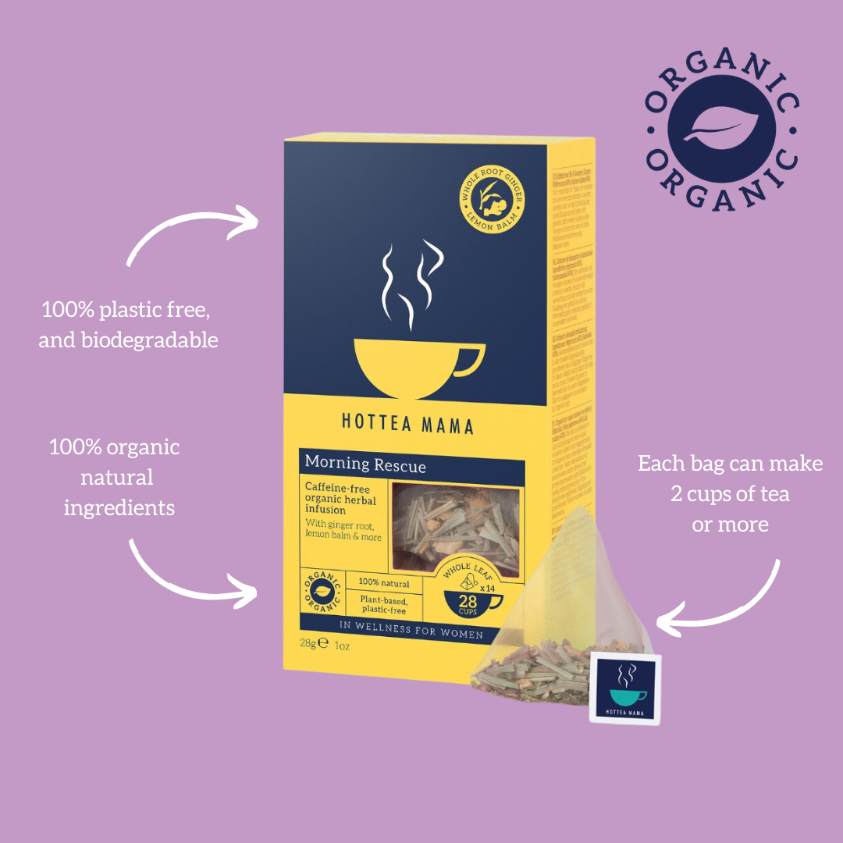
Each biodegradable pyramid bag makes at least two cups of tea. Because our bags contain whole leaves and botanicals - not dust or fannings — the flavour and potency hold beautifully on a second brew. One pack of 15 bags makes a minimum of 30 cups.
Is it only for morning sickness? Not at all. While Morning Rescue was inspired by pregnancy nausea, it is equally wonderful for heartburn, indigestion, bloating, travel sickness and general tummy sensitivity at any stage of life. Many non-pregnant customers - including plenty of HotTea Papas - drink it as a daily caffeine-free morning brew.
What does Morning Rescue taste like?
Morning Rescue is bright, citrusy and warming with a clean mint finish. The lemon verbena and lemongrass give it a zingy, uplifting citrus quality. The ginger adds a gentle, warming spice. The mint provides a cooling freshness. It is not bitter, not medicinal and not grassy - just genuinely delicious, even when you feel terrible.
How does Morning Rescue compare to other morning sickness teas?
Most commercial morning sickness teas use a single ingredient (usually ginger only) or low-grade tea dust. Morning Rescue uses five whole-leaf, certified organic botanicals - each chosen for its traditional and evidence-supported role in easing nausea. The synergistic combination is more effective and more flavourful than single-ingredient alternatives. It has won three independent awards and is recommended by midwives.